
Case Review: What Adobe MAX 2026 Sneaks Reveal About the Intelligent Creative Assistant Bet
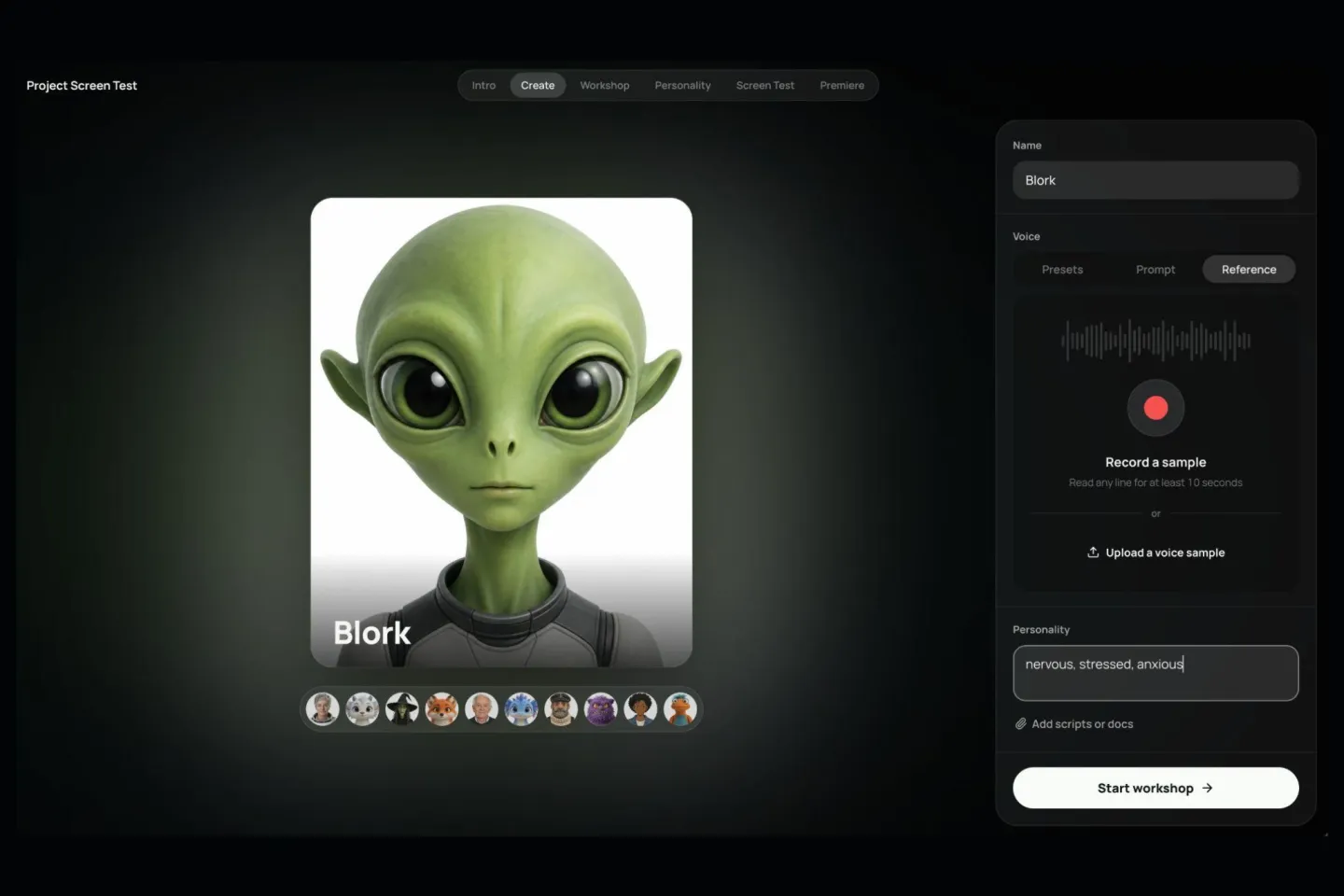
Adobe's Sneaks slot at the MAX conference is a public demand test, not a roadmap promise. At MAX 2026 in Miami Beach, staged 10-12 November 2026, the demos sketched an intelligent creative assistant that reads design intent, plans multi-step work, stretches one idea across formats and keeps brand rules intact. For buyers and product operators, the transferable signal is packaging and paid conversion, not demo polish. The trade-off is the one every roadmap fight ends in: ship a narrower assistant users understand, or a broader agent they cannot yet trust.
I have taken that decision twice on my own roadmap. Both times we cut roughly half the feature list, and trial-to-paid moved because a new user could finally tell what we were selling. Adobe is running the same experiment on a much bigger budget.
What actually happened at MAX 2026
- The stage. Miami Beach Convention Center, 10-12 November 2026, with preconference days on 8-9 November and free online sessions on 10-11 November, according to Adobe's own event FAQ.
- The slot. Sneaks ran on the evening of 11 November, emceed by Terry Crews, inside an agenda of more than 200 sessions and labs.
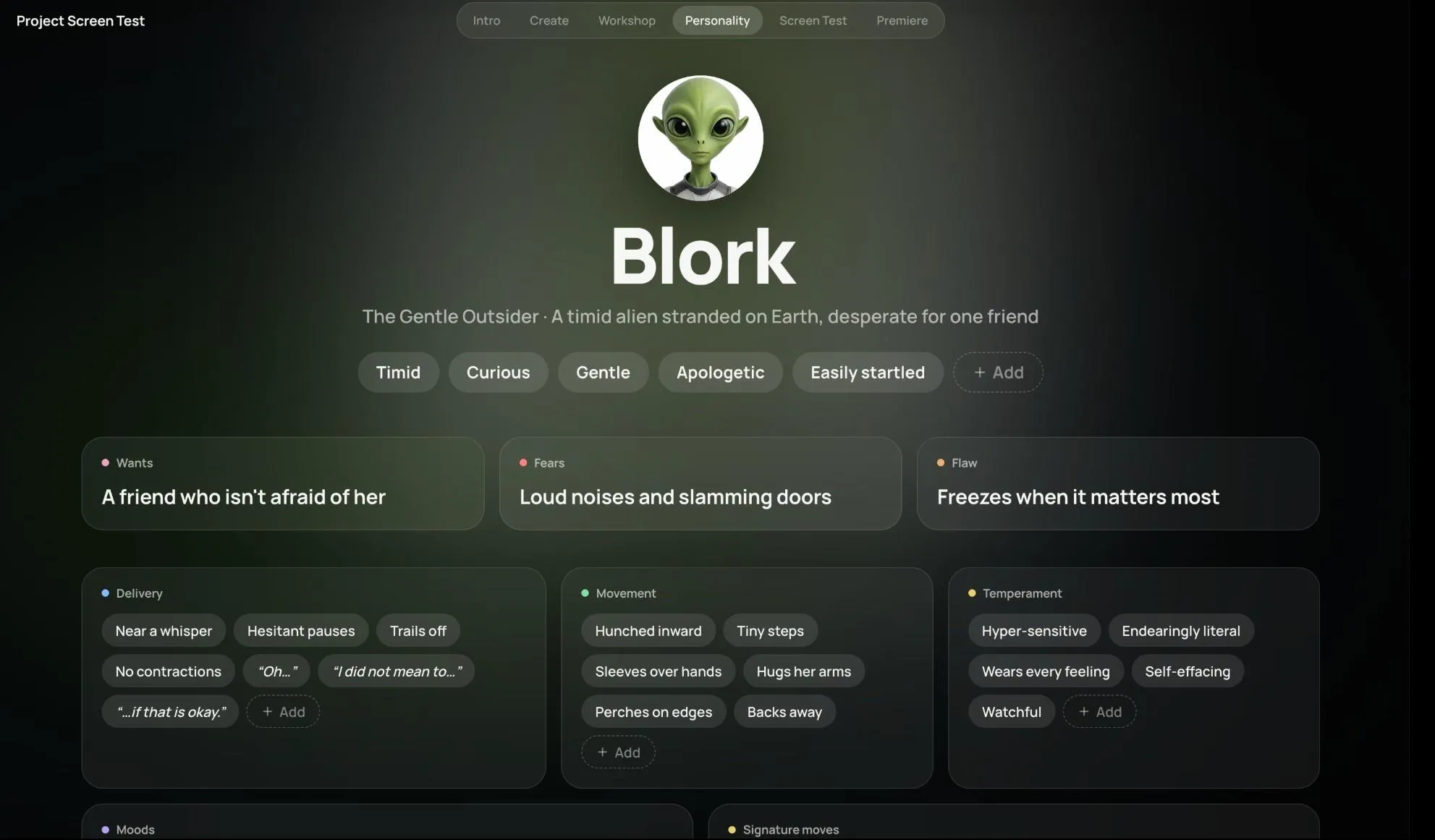
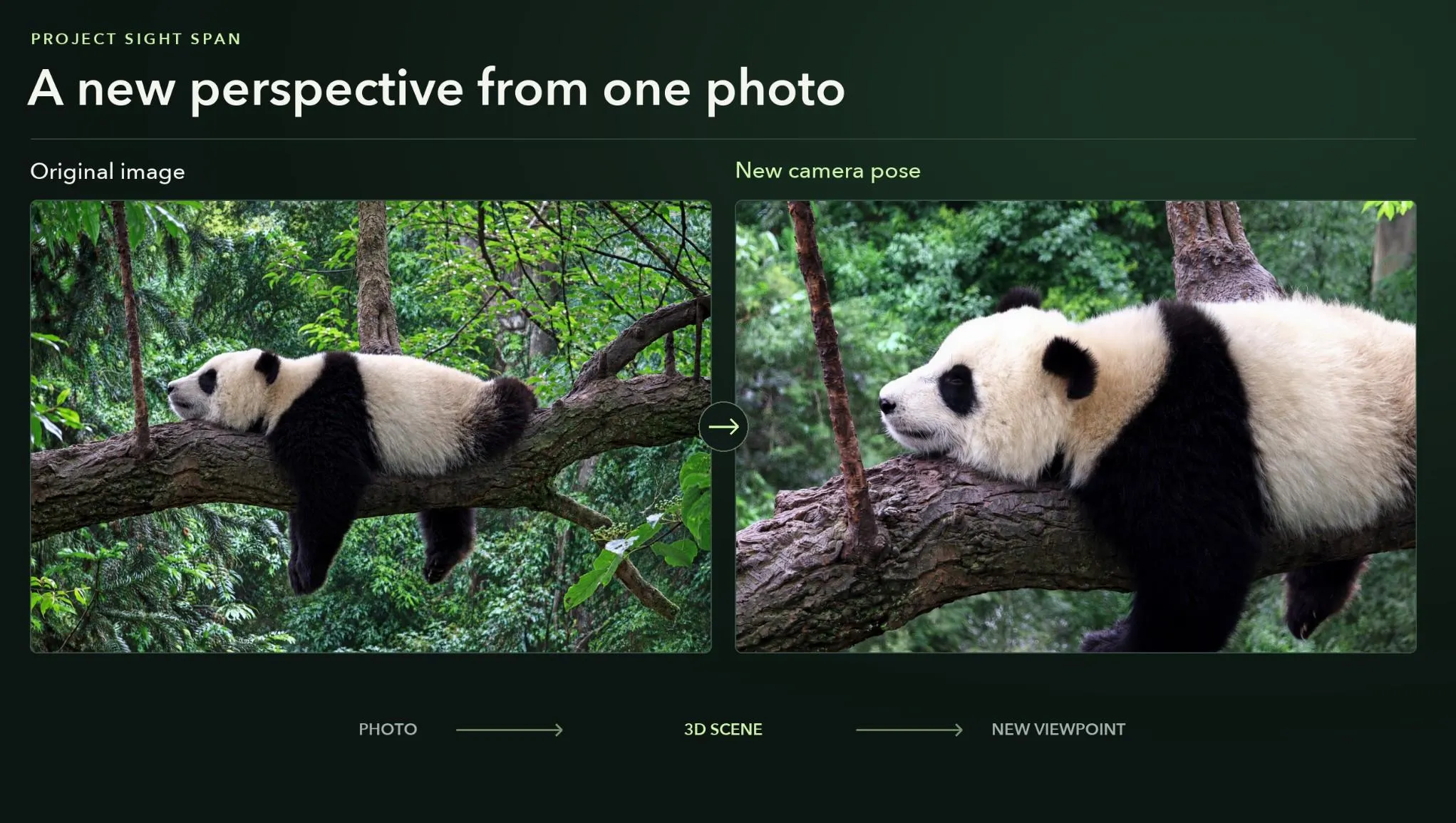
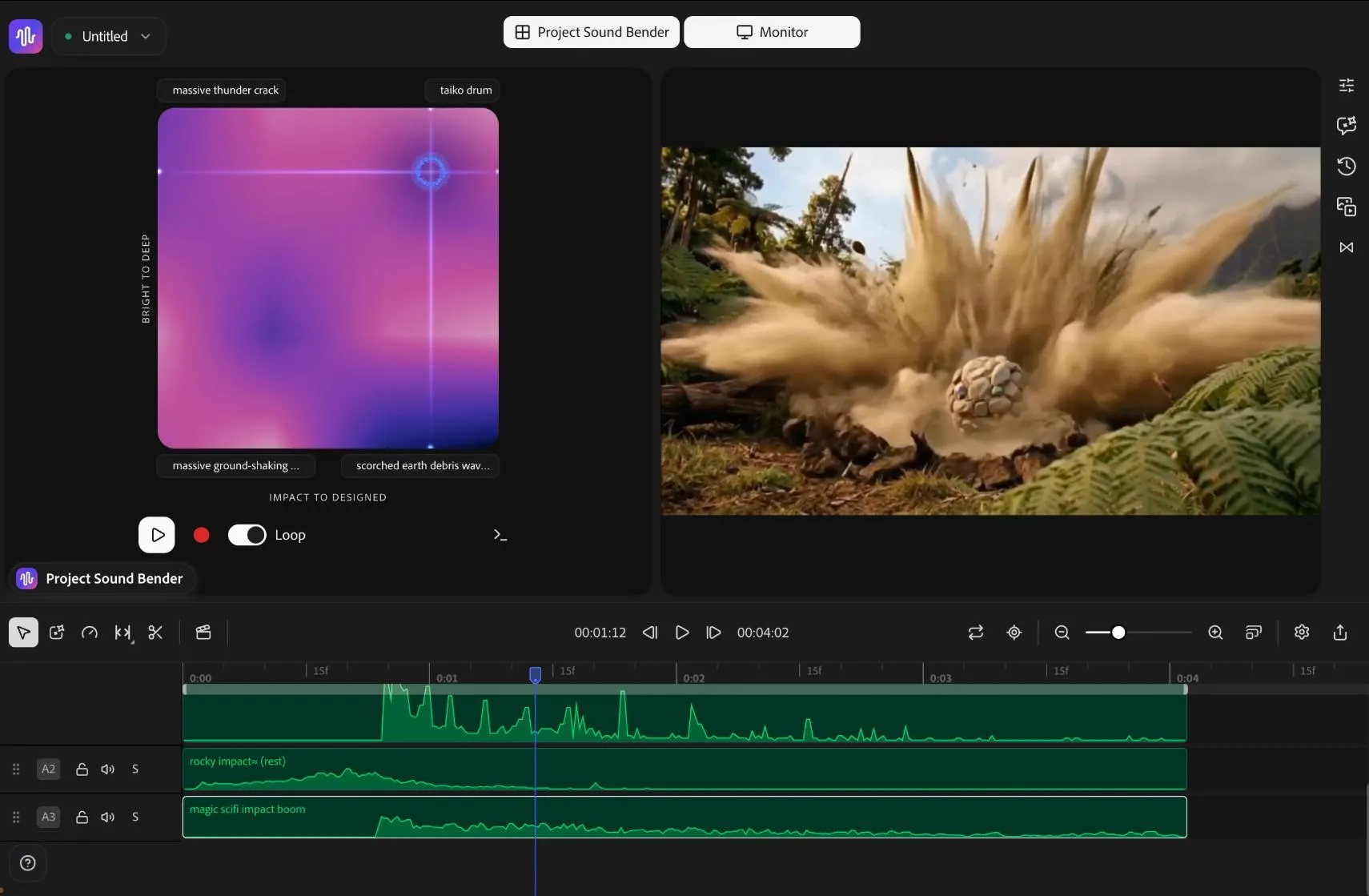
- What the assistant demos covered. Natural-language intent turned into a self-planned execution path across asset handling, image adjustment and content generation; one concept extended into many formats, from static design to animation and from long video to platform-native shorts; a brand-rule-aware tool that reuses an enterprise's existing colors, fonts and design elements at production scale; image editing that tracks relationships between objects instead of only separating subject from background, so removals, replacements and regenerations look more natural; video tooling that drafts storyboards, orders shots, inserts transitions and assembles a first cut; and a proactive layer that reads project status, flags problems and proposes fixes to the team, which is the idea Adobe labels the digital partner.
- The commercial commitment. None. These sit in research, and Adobe has not promised that the experiments will be sold. History is the tell: earlier Sneaks work eventually reached Photoshop, Premiere Pro, Illustrator and Firefly as shipping features.
Why a demo slot beats a roadmap memo
Conclusion first: an experiment is the cheapest evidence on intent a product team can buy.
Product-led growth (PLG, where adoption is driven by the product itself rather than a sales motion) runs on exactly this logic. Put one working artifact in front of users and watch what they touch, not what they praise. The parent business can afford the theatre: Adobe reported record revenue of $6.19 billion in the fourth quarter of fiscal 2025, up 10% year over year. Direction, at least, is not experimental. "Adobe is going all in on agentic AI," The Verge wrote of the MAX 2026 keynote.
The validation trail: from experiment to shipped code
The assistant had already left the lab before this year's conference, which is what makes the 2026 Sneaks set readable as a follow-up rather than a wish list.
- Adobe announced Firefly AI Assistant, powered by its creative agent, on 15 April 2026 and opened the public beta on 27 April 2026; the assistant is documented as completing multi-step projects by calling tools from apps such as Photoshop, Illustrator and Premiere Pro.
- At MAX 2026 Adobe previewed local Model Context Protocol (MCP, the open interface that lets an external agent talk to an application) integration for Creative Cloud. Agents from OpenAI, Google and Anthropic would edit native project files on the user's machine, with layers, vectors, asset bins and sequences left editable so a human can take over mid-task. A private beta is planned for early 2027.
- Background agents were shown for recurring work: collecting newly received assets, running periodic quality checks, preparing campaign material, with the user approving the plan and the final output. No test date was announced.
- Shipping updates shared the same agenda: relighting and smarter removal in Photoshop, generative media filling timeline gaps in Premiere Pro, and a prototyping tool in private beta inside Firefly.
Assistant or agent: where control and billing sit
| Dimension | Adobe's own assistant | Third-party agent over MCP |
|---|---|---|
| Who owns the workflow | Adobe, inside Firefly and Creative Cloud | Whatever chatbot the customer already pays for |
| Where revenue lands | Plan tiers plus generative credits | Agent subscription; the creative suite becomes infrastructure |
| Brand governance | Rules enforced inside the product | Rules must travel with prompts and execution logs |
| Status in 2026 | Public beta since 27 April 2026 | Preview only; private beta expected early 2027 |
One line procurement teams should not blur: Adobe's commercial indemnification travels with Adobe's own models, while Firefly sits in front of a widening catalogue of third-party engines whose coverage terms differ model by model, per trade coverage of the event. "One interface, many engines" is a sourcing question, not a feature.
What the money says
Conclusion first: this capability is being monetized as tier movement and meter burn, not as a brand-new SKU.
- Fiscal 2025 closed with record revenue of $23.77 billion, up 11%, and Digital Media (Creative Cloud and Document Cloud) delivered $4.62 billion in the fourth quarter, up 11%.
- Firefly standalone pricing is credit-metered: $9.99 a month for 2,000 generative credits, $19.99 for 4,000, $49.99 for the top individual tier, with credits also sold as monthly add-ons.
In unit-economics terms, the credit is the billing unit. Annual contract value (ACV) climbs when a team's output mix tilts toward video, and net revenue retention (NRR) becomes a function of wasted generations rather than seat count. Vendors across the category are pulling the same lever; Meta has been routing its stronger Wonder-trained capability to paid tiers. Flagging the next point as analysis, not fact: the days around a MAX are when packaging and credit allocations move, so buyers who renew early often pay list price for a plan that changes the following week.
The competitive board
Pressure arrives from two directions. Blackmagic has wired DaVinci Resolve to MCP so Claude and ChatGPT can drive edits, and Apple has folded MotionVFX content, asset libraries and AI image generation into Final Cut Pro. Agent vendors are circling the same brief: Perplexity's enterprise AI agent Teammates targets long-running project work. Once a protocol becomes the interface, the brand inside your app stops being the moat.
Four plays worth copying
- Buy a demo slot. Ship one reversible experiment per quarter to a few hundred real users and log every attempted task as a demand vote.
- Instrument intent to asset. Track completion rate of multi-step jobs and cost per accepted output; those two numbers, not sentiment, decide pricing.
- Publish the interface before you lose the workflow. If customers will drive your product through an agent, they will pay a premium for the version that keeps human takeover cheap.
- Price the meter, not the button. Publish credit cost per workflow before renewal season instead of after the first surprise invoice.
Risks to write down now
- Governance shifts from templates to prompt files and agent logs, which most brand teams do not version or audit.
- Anything labeled "no date announced" is a roadmap item, not a procurement line; budget against what is in beta today.
- Credit-burning video workflows can reprice an account mid-term, so model output mix, not headcount.
- Every capability you hand an external agent also lowers your own switching cost for that customer.
What each role should do in the next 90 days
- Product leads: pick one assistant task your team can run end to end, and cut the features that make it illegible.
- Growth leads: baseline activation on first accepted output, then measure whether the assistant lifts trial-to-paid or only adds support tickets.
- Buyers: ask three questions in the next software review — what is the meter, who indemnifies the model, can a human take over mid-job?
- Founders and investors: read 2026 as the year creative suites started becoming a backend that agents call, and price your thesis accordingly.
FAQ
Is Sneaks a product announcement?
No. Sneaks is Adobe's research showcase inside the MAX conference, and Adobe has not committed to selling these projects. Several past experiments later shipped inside Photoshop, Premiere Pro, Illustrator and Firefly, which is why the demos still carry forecast value.
When does the intelligent creative assistant become something a team can buy?
Partly now. Firefly AI Assistant has been in public beta since 27 April 2026 and is documented as completing multi-step projects across Adobe apps. Third-party agents editing native project files through local MCP remain a preview, with a private beta expected in early 2027.
Does this replace designers?
Adobe's stated goal is the opposite: shorten the distance between an idea and a finished asset so creators stop doing repetitive work. The skill that matters shifts from knowing every button toward reviewing an agent's plan and accepting or rejecting its output.
What does the "digital partner" claim actually buy a buyer?
In the demos it means software that monitors project status, spots likely problems and suggests next steps. Treated commercially, it is a candidate for the seat that never sleeps, which is why the pricing question is credits and tasks rather than licenses.
What single metric tells me whether this matters to my business?
Cost and time per accepted output. If an assistant path cuts both, expect your vendor to move it up the packaging ladder; if only cost falls while rework rises, it is a feature, not a strategy.
The next experiment I am running
We are copying the cheapest part of this case: one narrow assistant task, exposed to new users only, with no marketing around it. Success is not applause; it is a measured lift in first accepted output and a shorter path to a paid plan. If Adobe's Sneaks pattern holds, the version that wins will not be the one with the most models behind it, but the one whose brand rules, indemnification and credit math a customer can audit — and that is a testable claim, not a forecast.
Sources
- Adobe MAX 2026 event FAQ — dates, venue and agenda structure.
- Adobe blog: Firefly AI Assistant public beta — beta availability from 27 April 2026.
- Adobe newsroom, April 2026 — creative agent orchestration of multi-step work.
- The Verge on MAX 2026 agentic AI — third-party agents, MCP preview and background agents.
- Variety: Adobe adds AI agent features across product lines — local MCP integration detail.
- ITHome MAX 2026 report — editable layers, vectors and sequences preserved under agent edits; private beta timing.
- Jianshu MAX 2026 technical briefing — third-party model roster in Firefly, model-by-model licensing, DaVinci Resolve and Final Cut Pro pressure.
- CNET live coverage of Adobe MAX 2026 — research projects previewed ahead of the Sneaks show.
- Adobe fiscal Q4 2025 earnings release — revenue figures.
- Adobe Firefly plans — generative credit pricing.