
Meta's Muse Voice Case Review: What an 870 ms Embodied Agent Update Means for SaaS Roadmaps
Meta's Muse AI assistant can now hold a real-time voice conversation while its on-screen avatar answers with matching expressions and gestures. Read as a product case rather than a feature note, the release tells software teams two things: conversational AI is escaping the chat window, and the engineering numbers behind it — sub-second response, streamed video, hundreds of selectable voices — are about to become the yardstick enterprise buyers hold vendors to.
The context matters for anyone planning a 2027 roadmap. The capability started rolling out in the US, staged progressively inside the Muse app, and covers phones, the web and the Mac client on day one. It is the third major milestone in roughly eight weeks for a product Meta is positioning as the front door to its agent stack.
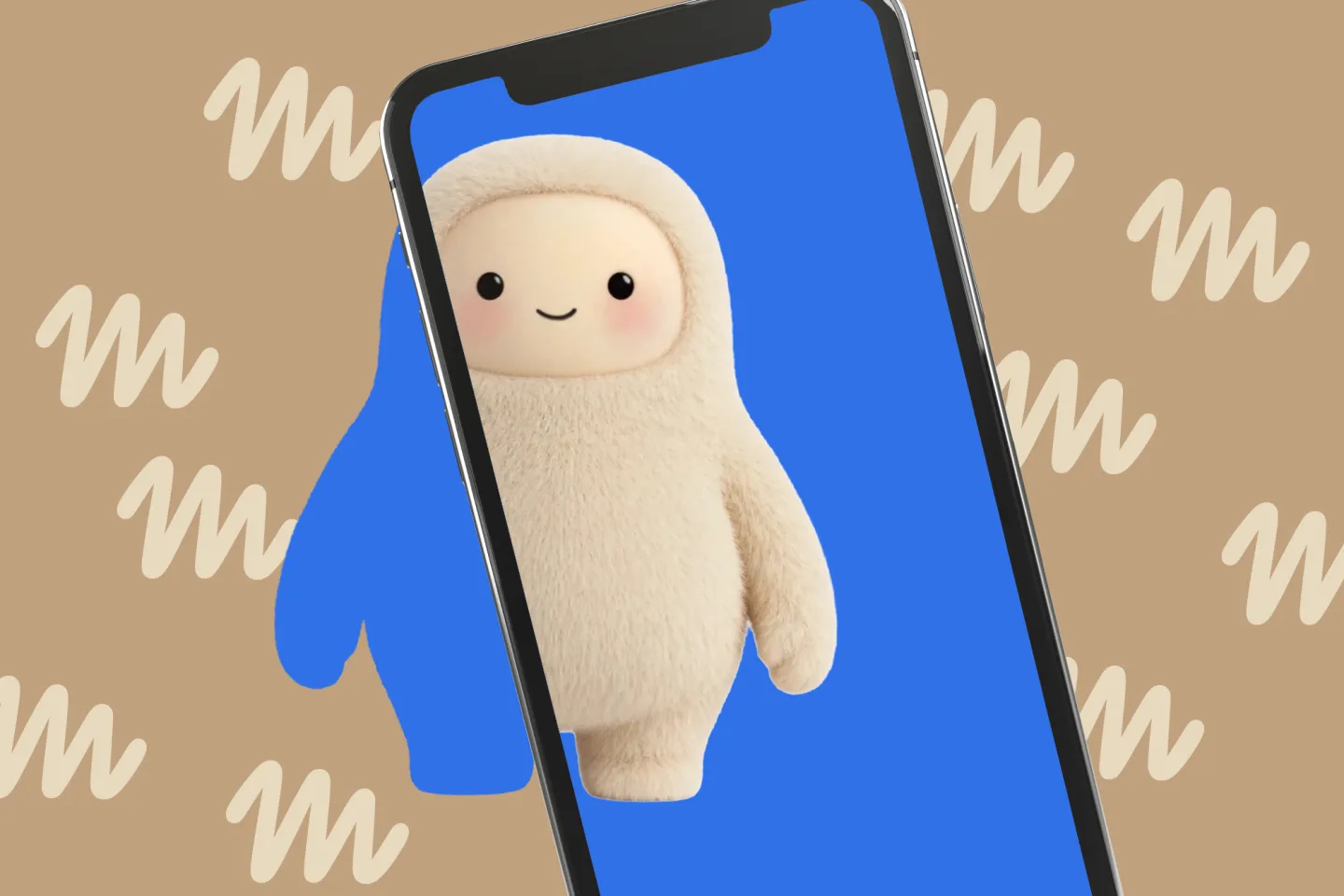
What actually changed inside the Muse app
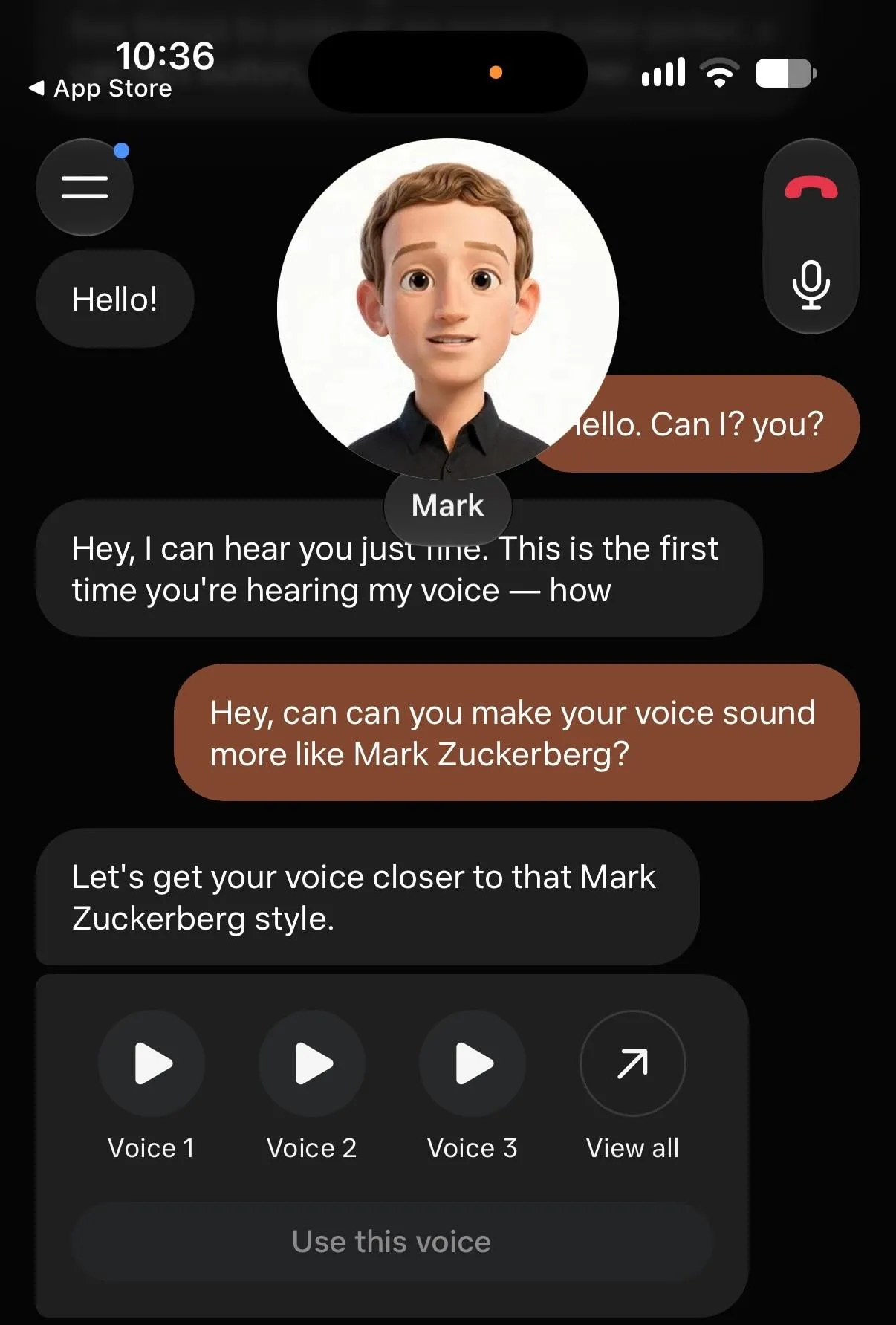
Short answer: Meta converted a text-first agent into a call-first agent, without deleting the text layer. The interaction now offers three escalation states — audio only, an avatar docked beside the transcript, or a full-screen face-to-face view that behaves closest to a video call.
The use cases Meta foregrounds are deliberately low-stakes and high-frequency: speaking half-formed ideas out loud so Muse can structure them, planning a trip, running a mock interview, rehearsing a talk, or pressure-testing a proposal before it is written. Turn-taking feels conversational rather than push-to-talk — the assistant accepts real-time interruption mid-answer.
Voice personalization is the other half of the change. Users can pick from hundreds of preset styles, or describe what they want in plain text — pace, tone, accent — and let Muse adjust the delivery itself. That is a meaningful pattern: configuration by natural language instead of a settings panel.
How the rollout unfolded, week by week
Sequencing is where this case is most instructive, because Meta did not ship the experience and then find an audience.
- Late summer 2026: Muse arrives as a personal AI agent — task decomposition, cross-app operation, background execution.
- 10 September 2026: TechCrunch reports the app already at No. 2 on the US App Store top charts, less than a week after launch.
- Mid-to-late September 2026: Muse overtakes ChatGPT to reach No. 1 on the US free-app chart — roughly ten days after debut, as covered by Fox Business and Quartz.
- 23 September 2026 (Meta Connect): Meta Superintelligence Labs shows Muse Realtime Avatar, the embodiment layer that turns Muse Realtime Voice into an animated, reactive character, alongside the Muse Charm companion device.
- Early November 2026: Mark Zuckerberg announces on Threads that real-time voice plus expressive avatars are open to all US users, on mobile, web and Mac. Meta says the same conversation will soon extend to its AI glasses and the Muse Charm wearable, for hands-busy and on-the-go moments.
Two reusable mechanics stand out. First, distribution preceded depth: the agent earned a chart position on utility, then layered personality on top of an installed base. Second, the announcement cadence — device, model, then consumer availability — kept the product in the news cycle for eight consecutive weeks.
What the technical numbers say about the experience
Meta's disclosed specification is unusually concrete for a consumer voice launch, which makes it useful as a comparison table. Figures below are Meta's own claims, not independent lab measurements.
| Layer | What Meta disclosed | Design implication for your product (GlobalSaaSManager analysis) |
|---|---|---|
| Turn latency | About 870 ms from the end of the user's utterance to the first synchronized audio-plus-video response | Set a sub-second budget for barge-in capable voice flows and instrument time-to-first-byte, not averaged round trip |
| Avatar rendering | Portrait video streamed at 448x768 resolution, 25 frames per second | Embodiment is cheaper to serve than photoreal demos imply; mobile-grade resolution is enough to feel alive |
| Voice choice | Hundreds of preset styles, or a text description of desired pace, tone and accent | Ship presets before cloning; natural-language style control is a low-risk personalization step |
| Interface modes | Voice-only, avatar beside the chat, full-screen face-to-face | Offer an escalation ladder and keep embodiment opt-in for privacy-sensitive workflows |
| Availability | US first, then phones, web and Mac; AI glasses and Muse Charm later | Region and device gating is a deliberate rollout lever, not an oversight |
Market context reinforces the timing. Grand View Research values the AI voice agent market at roughly $2.54 billion in 2025 and projects about $3.5 billion in 2026 rising toward $35.24 billion by 2033 — growth that will pull consumer-grade voice UX expectations into enterprise procurement scorecards long before most vendors are ready.
Where the case still shows cracks
The Verge's hands-on is the most useful counterweight in the coverage. Its reporter found Muse generally quick to respond over voice, though it occasionally pauses while looking things up. The avatar animation reads well most of the time but can drift into uncanny territory, and the voice could not fully reproduce the Mark Zuckerberg persona the reporter had selected.
Read as risks rather than complaints, three issues matter for buyers and builders:
- Reliability under retrieval. Pauses during research break the illusion of a live conversation; embodied interfaces make latency more visible, not less.
- Identity and likeness. Persona imitation is imperfect today, which is precisely why consent, voice-cloning policy and likeness rights need to be contractual before rollout.
- Always-on hardware. The Vergecast framing of Muse and the Charm pendant was blunt: a genuinely useful first consumer AI agent, but a real privacy exposure. Meta has not published a price for Muse Charm, and reporting around Connect pointed at a December sales window — procurement teams should not sign against an unnamed accessory.
- No developer surface yet. There is no public API, pricing sheet or release date for the avatar model itself, so the moat for vertical voice-agent vendors is still open.
What SaaS teams should copy — and what to skip
- Copy the escalation ladder. Give users text, voice-only and embodied modes rather than forcing one. Meta's three-state design is the cheapest way to broaden the audience for a voice feature.
- Copy latency-as-a-spec. Publish a turn-latency target and measure it the way Meta does: end of user turn to first synchronized response.
- Copy personalization-by-language. A single prompt box describing pace, tone and accent replaces a settings tree and increases adoption of voice features.
- Copy the rollout order. Utility → installed base → personality. Personality-first agent launches burn retention.
- Skip full-screen embodiment in support, finance and HR workflows. Uncanny motion and likeness issues are trust liabilities where conversations are sensitive; audio-only plus a transcript is the safer default.
- Skip the wearable bet. An unpriced, region-limited companion device is a platform play reserved for companies with an existing OS surface.
For buyers evaluating agent vendors this quarter, three questions fall straight out of this case: does the vendor publish turn latency in milliseconds; can the assistant be interrupted mid-answer; and where is avatar or voice data rendered and retained?
FAQ: follow-up questions this release raises
Is Muse's real-time voice available outside the US?
No. Meta began the rollout in the US, phased inside the Muse app across mobile, web and Mac, with AI glasses and Muse Charm support described as coming soon rather than shipped.
What powers the talking avatar?
Two named systems: Muse Realtime Voice generates what is said and how it is said, while Muse Realtime Avatar drives expressions, lip sync and gestures from the same data stream so audio and picture stay aligned.
Can a company build its own product on top of this avatar model?
Not today. Meta has not announced API access, pricing or a general availability date for the embodiment stack; treat it as a first-party experience for now.
Does the video avatar raise data-retention concerns?
It raises the stakes. A live microphone plus continuous facial animation generates more identifiable signal than text; ask any vendor whether avatar frames and voice samples leave the session boundary and for how long.
What is the practical benchmark to copy from Meta's numbers?
The 870 ms end-of-turn-to-first-response figure. Anything approaching a second feels like a call; anything past two seconds pushes users back to typing.
Reference sources
- The Verge — hands-on of Muse voice mode and the expressive avatar: https://www.theverge.com/tech/1028015/meta-muse-ai-voice-mode-expressive-avatar
- Meta Newsroom — Meta Connect 2026 announcements, including Muse Realtime Avatar and Muse Charm: https://www.meta.com/blog/meta-connect-2026-everything-we-announced/
- TechCrunch — Muse reaches No. 2 in the US app charts during launch week: https://techcrunch.com/2026-09-10/metas-ai-agent-muse-is-now-the-no-2-app-in-the-us/
- Fox Business — Muse becomes the App Store's hottest download: https://www.foxbusiness.com/technology/metas-muse-becomes-app-stores-hottest-download
- Grand View Research — AI voice agents market size and forecast: https://www.grandviewresearch.com/industry-analysis/ai-voice-agents-market-report